

.png)
If you're an expatriate living in Lagos or preparing for a long‑term assignment in the city, you're likely to feel the heat of a rapidly shifting rental market. Over the past 6-12 months, rents in prime expat neighborhoods have surged, more than doubling in some cases. And while the pace may slow, further increases are expected.
Lagos’ Expat Rental Market: Inflation, Scarcity, and Daily Realities
Why Are Expatriate Rents Rising?
Several factors are driving this inflation:
- High interest rates have slowed new property development by making borrowing costly. Even after the benchmark rate was trimmed slightly in February, financing remains expensive. Developers continue to face steep hurdles in securing affordable funding, keeping construction limited and supply tight.
- Imported construction costs have fully adjusted to the realities of Nigeria’s floating currency. Since the naira’s sharp depreciation in 2023, prices for materials such as cement, steel, and imported finishes have risen across the board. Supply chains and financing structures have somewhat adapted and the exchange rate has stabilized, but the higher baseline costs remain.
- Land scarcity in premium zones has made expansion nearly impossible. Rapid urbanization and population growth are straining available space just as demand intensifies, fueled by returning professionals and a steady influx of expatriates.
 Where Expats Are Renting
Lagos is primarily divided into the Mainland and the Island. The Island is home to most expatriate residential areas, while the Mainland hosts the bulk of the city’s industries.
- The area of Ikoyi continues to be the top choice for expat-quality housing. Notably, the neighborhood of Banana Island houses the most expensive housing and is accessible only to residents and vehicles with authorized tags.
- Victoria Island and Lekki are also popular with expatriates, thanks to their location on the Island and easy access to schools, malls, and offices, many of which are situated within or close to these neighborhoods. Several international schools mainly catering the British, American, and French communities are based in these areas, making them especially convenient for expat families.
- While many expatriate residential areas are concentrated on the Island, Ikeja GRA remains the preferred area on the mainland due to quality housing and security, and proximity to the airport and upscale malls and supermarkets in Ikeja.
These areas offer the best infrastructure, security, and proximity to key amenities, while coming with a premium cost.
 Lifestyle and Amenities for Expatriates in Lagos
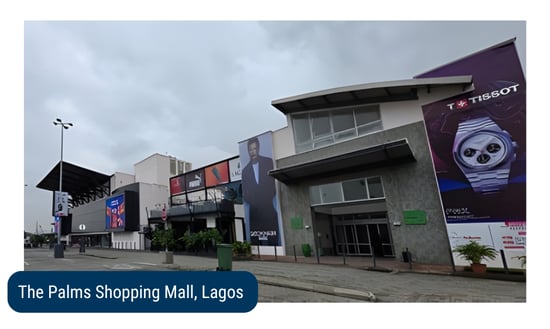
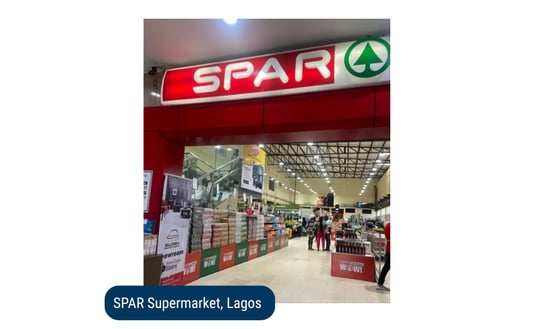
Expatriates in Lagos often gravitate toward the city’s larger malls and supermarkets, which stock international brands and familiar expatriate staples. The Palms Shopping Mall on the Island and Ikeja City Mall on the mainland are especially popular, each housing a Shoprite supermarket alongside a mix of global retailers and upscale stores. SPAR hypermarkets, scattered across Lagos, are another go‑to option, offering a wide range of groceries and household essentials that make everyday shopping convenient.
Social life for expats tends to revolve around clubs, communities, and hotel venues. The Lagos Country Club in GRA and the golf clubs in Ikoyi and Lakowe (just beyond Lekki) are favorite weekend spots for golf and networking. On the Island, hotels like Eko and Radisson Blu host lively restaurants and bars that cater to international tastes, creating a vibrant nightlife scene. Families often spend their downtime at these locations or enjoy a relaxed day at the mall, combining leisure with their weekly grocery run.
 Other Costs to Watch
Beyond rent, other essential expenses are climbing:
- Utility costs – expatriates usually rent in areas where the current A and B electric tariff applies, which rose dramatically in 2024 but have been stable since then. However, costs for diesel and gas continue to rise, impacting generator-dependent properties.
- Service charges can account for a large chunk of your budget, usually covering security, maintenance, and power, which all have increased over time. Make sure to confirm this before leasing.
- Household help and driver costs have gone up as living expenses rise, affecting expatriates but weighing even more heavily on locals. As you move through your assignment (or potentially undertake one), remember that caring for their well-being is just as important as caring for your own. When they thrive, you thrive too, as their well-being ensures yours.
Taken together, these costs can substantially affect your assignment budget, making it essential to account for them in advance.
What to Expect Next
While the market may cool slightly compared to current trends, rents are projected to continue rising over the next 6-12 months. If you're planning to renew or sign a lease, expect annual rent increments, and always clarify what’s included in service charges before signing.
Why We Cover Research Onsite
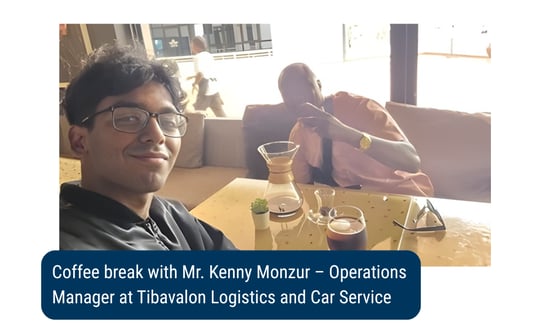
While much of our work focuses on quantitative measures such as housing and cost-of-living expenses for expatriates, truly ensuring your allowances and budgets are accurate and meaningful requires more than numbers. It’s the human, qualitative side of going onsite that brings our research to life. That means living the routines of an expatriate in Lagos, pushing a cart through busy grocery aisles on a Saturday while noting the prices of everyday goods, or navigating the rhythms of a city powered by hustle, urbanization, and vibrant cultures. It means listening to the voices of locals and learning from established relocation and housing providers who know the city inside out.
As a researcher at AIRINC, the team and I work hard not just to collect data, but to step into your shoes and experience an assignment as you potentially would, so we can deliver insights that are both precise and deeply connected to the realities of life in the bustling metropolis of Lagos and many other locations across the globe.

———————————
Download: Pulse Survey: Assignee Evacuations and Danger Pay in the Middle East
Current events in the Middle East are moving quickly, and Global Mobility teams are making decisions in an uncertain environment. Who is being evacuated, and from where? Are organizations offering Danger Pay -- and if so, how much?
DOWNLOAD the results of our Pulse Survey to see how organizations are supporting their assignees in the region.
You can also read our blog for an explanation of Danger Pay.


%20(1).png)
%20(1).png)